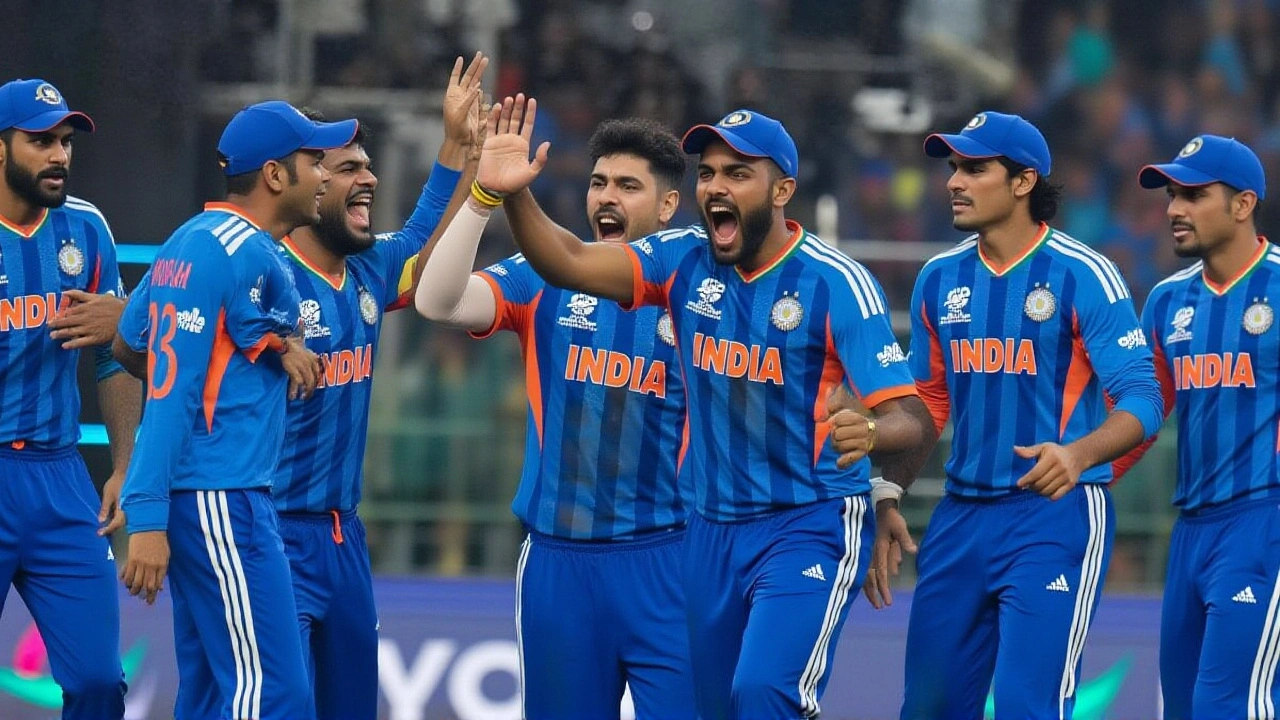
When Mohammad Amir, the former Pakistani fast bowler and cricket analyst, predicted that Team India would be eliminated before reaching the semifinals of the T20 World Cup 2026USA and West Indies, fans were stunned. The prediction came at a critical juncture for the defending champions, who had entered the tournament with high expectations but found themselves in a precarious position following a shocking defeat.
Here’s the thing: predictions are one thing, but on-field performance is another. While Amir pointed to structural weaknesses in India’s batting lineup, particularly their inability to start innings strongly, other experts held a different view. The debate intensified after India suffered a crushing 76-run loss to South Africa in the Super-8 stage, collapsing to just 111 runs all out.
The Clash of Expert Opinions
The cricket world has been buzzing with contrasting views from prominent Pakistani analysts. On one side, you have Mohammad Amir, who argued that India’s top-order instability makes it nearly impossible for them to sustain success in a high-pressure knockout tournament. "Team India rarely gets a good start," Amir noted, suggesting that this recurring flaw would eventually cost them dearly.
But wait, not everyone agrees. Fellow Pakistani legends Ahmed Shehzad and Rashid Latif maintained that India’s depth and experience would see them through. They believed the team was more than capable of qualifying for the semifinals, citing their strong record in previous editions and the sheer talent within the squad.
This divide isn’t just about national bias; it reflects genuine uncertainty in modern T20 cricket. One bad day can change everything, as India soon discovered.
A Devastating Defeat in the Super-8
The turning point came during the Super-8 stage when India faced South Africa. It was supposed to be a competitive match between two powerhouses. Instead, it turned into a masterclass by the Proteas. India’s batting lineup crumbled under pressure, failing to build any substantial partnerships. The total of 111 runs was their lowest in recent memory during a World Cup campaign.
Turns out, losing by such a massive margin—76 runs—has severe implications beyond just the win-loss column. In T20 tournaments, net run rate (NRR) often decides who advances when teams are tied on points. After this defeat, India’s NRR plummeted to approximately -4, a figure that signals deep trouble. Analysts described the situation as requiring a "miracle" to overcome, highlighting how difficult the path forward had become.
The Mathematical Hurdle Ahead
Before the South Africa match, reports from outlets like CricketAddictor suggested India’s semifinal berth was almost guaranteed. Having won their initial three league matches, including a crucial game against the Netherlands on February 18, 2026, they entered the Super-8 with confidence. The math seemed simple: win two out of three Super-8 games, and you’re in.
However, the landscape shifted dramatically. Now, India must win both remaining matches against Zimbabwe and the West Indies. But winning isn’t enough anymore. To compensate for the disastrous NRR, they need to win by significant margins. A narrow victory might not suffice; they need comprehensive wins to boost their run rate sufficiently.
This puts immense pressure on the players. Every over matters now. Every wicket lost feels heavier. The psychological toll of knowing that your fate depends not just on your performance but also on results elsewhere adds another layer of complexity.
Breaking the Winning Streak
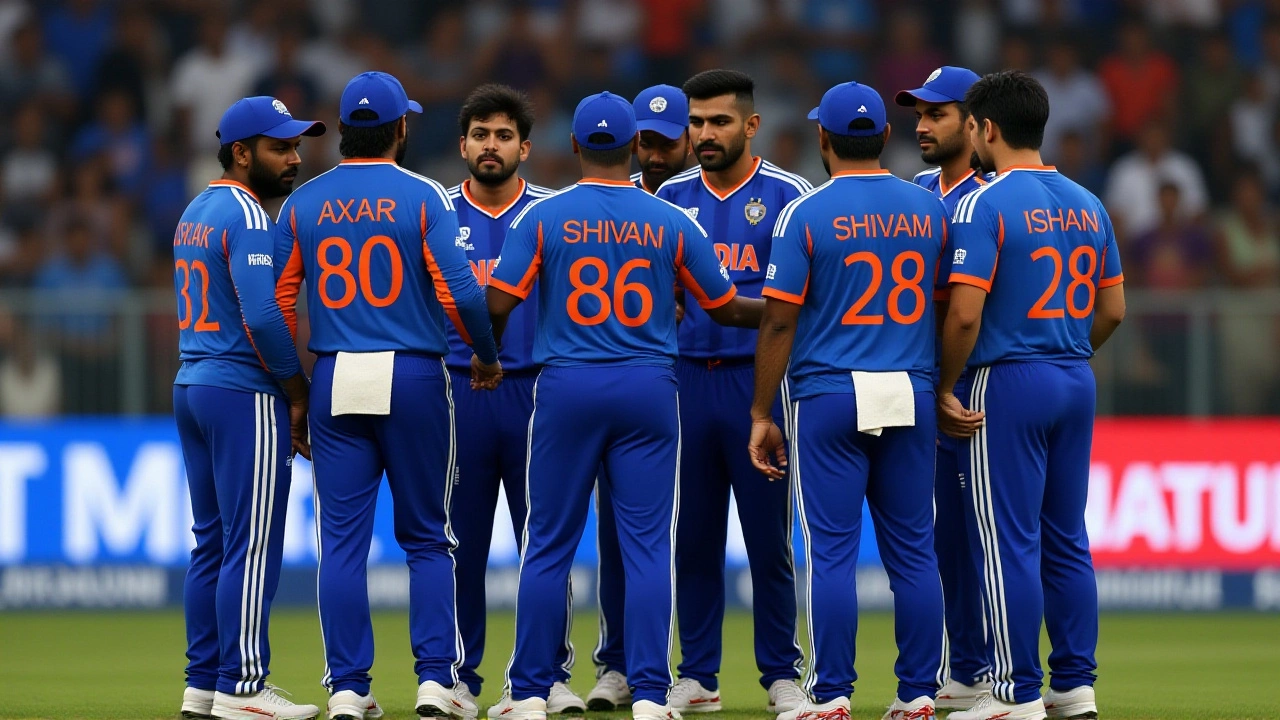
One statistic that underscores the magnitude of this setback is the end of India’s 14-match winning streak in T20 World Cups. That consistency had built an aura of invincibility around the team. Breaking that streak exposes vulnerabilities that opponents quickly exploit. South Africa did exactly that, targeting key batters and restricting rotation of strike.
Experts have identified five players whose performances contributed significantly to the slump, labeling them as "guilty parties" in some analyses. Whether fair or not, this scrutiny highlights the individual accountability required in such high-stakes environments. Captaincy decisions, bowling changes, and batting approach all come under intense examination.
What Lies Ahead?
As India prepares for their next clash against Zimbabwe, the focus shifts to recovery. Can they regroup? Can they find form under pressure? These questions linger in every fan’s mind. Meanwhile, supporters of the West Indies will be watching closely, knowing that any slip-up by India could benefit their own chances.
The broader implication extends beyond this single tournament. How teams handle adversity defines their legacy. For India, this moment tests their resilience. Will they bounce back with renewed determination, or will the weight of expectation crush them? Only time will tell.

Historical Context and Precedents
Looking back, few teams have recovered from such a low NRR to reach the semifinals. In the 2022 edition, several teams relied on favorable outcomes from other groups to advance. India’s situation mirrors those scenarios, where external factors play a decisive role. This dependency creates anxiety among fans and strategists alike.
Moreover, historical data shows that defending champions often face tougher challenges in subsequent tournaments. Teams target them specifically, studying patterns and exploiting weaknesses. India’s struggle against South Africa exemplifies this trend, where tactical discipline overwhelmed raw talent.
Frequently Asked Questions
Why is Mohammad Amir predicting India's early exit?
Amir bases his prediction on India's consistent failure to start innings strongly in major tournaments. He argues that without solid top-order contributions, middle-order batsmen cannot stabilize the chase effectively, leading to premature collapses.
How does net run rate affect qualification?
In T20 World Cups, if teams finish with equal points, net run rate determines ranking. With an NRR near -4, India needs large-margin victories to improve its standing, making each match critically important beyond just securing a win.
Who else disagrees with Amir's assessment?
Pakistani legends Ahmed Shehzad and Rashid Latif believe India's overall strength and experience will carry them through. They emphasize the team's ability to adapt and perform under pressure, countering Amir's pessimistic outlook.
What happened in the match against South Africa?
India was bowled out for just 111 runs, losing by 76 runs. This result ended their 14-match winning streak in T20 World Cups and severely damaged their net run rate, complicating their path to the semifinals.
What must India do to qualify for the semifinals?
India must win both remaining Super-8 matches against Zimbabwe and the West Indies. Additionally, they need to win by substantial margins to improve their net run rate, while hoping other results go their way.


Write a comment